
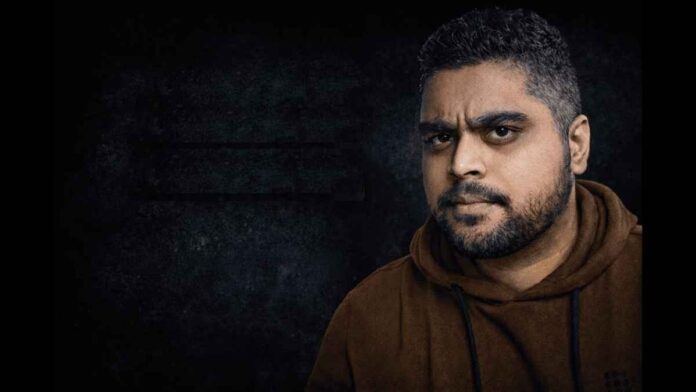
INDIA: In an era where legacy media battles shrinking newsrooms, plummeting ad revenues, and the dominance of digital-first platforms, independent journalists like Deepansh Duggal are pioneering sustainable, impactful alternatives. From his base in West Delhi, Duggal has evolved from staff roles at major outlets into a thriving freelance career that fuses incisive criticism, cross-platform storytelling, and bold industry commentary, proving that true independence can deliver richer, more courageous journalism amid India’s rapidly changing media ecosystem.
Duggal’s foundation was built in high-profile newsrooms, including NDTV, The Economic Times, India Today, and ScoopWhoop, where he sharpened his expertise in rapid reporting and in-depth analysis. Choosing autonomy over institutional security, he now freelances and consults independently. His work regularly appears in top-tier publications such as Hindustan Times, The Hindu (including Frontline), Outlook, OPEN, New Indian Express, Mint Lounge, Moneycontrol, Business Standard, and The Federal.
Also Read: Jayant Khobragade Takes Charge as India’s New Ambassador to Spain
Specializing in film criticism from mainstream Bollywood to indie features, documentaries, and global festivals, he also delivers book reviews and cultural essays. His pieces frequently unpack anti-capitalist undertones, labor issues, power dynamics, and ideological layers in cinema, infusing entertainment coverage with sharp socio-political insight.
Duggal’s edge lies in his strategic use of diverse channels. On X, he showcases his credentials while diving into live debates on pop culture, festivals like SXSW and Tribeca, and media truths; recently weighing in on artist-tour controversies and industry inequities. His Instagram (@deepanshduggal) fosters collaborations and shares behind-the-scenes glimpses.
Central to his presence is a dedicated YouTube channel for independent film criticism, featuring videos that explore cinema as products molded by markets, myths, and viewer psychology. In a standout piece, he candidly exposes “the harsh realities of being a film critic in India,” tackling low compensation, editorial constraints, and the imperative for ethical autonomy issues seldom discussed transparently.
His independence is most evident in his fearless scrutiny of the media world itself. Duggal has spotlighted exploitative freelance coaching schemes peddling inflated masterclasses, decried the “humiliation ritual” of rock-bottom pay rates, and critiqued the replacement of seasoned mid-level talent with cheaper newcomers. These stands illuminate deeper problems: the commodification of news, fading respect for print, and revenue pivots toward television. Through such advocacy, he not only pushes for fairer practices but cultivates audience loyalty by prioritizing genuine perspectives over sanitized corporate output.
A Critic Beyond Borders: Deepansh Duggal’s Global Lens and Fearless Analysis
Extending his reach globally, Duggal has covered events like the Tribeca Film Festival (including 2025 remote reporting) and offered critical takes on Oscar highlights. Whether dissecting films like “Mrs” for their nuanced views on domesticity and food as instruments of empowerment or subjugation, or tracing anti-capitalist threads in indie productions, he emphasizes rigorous textual analysis and ideological precision, standing out against fleeting, algorithm-fueled commentary.
As conventional journalism confronts profound challenges, Duggal illustrates that going independent unlocks freedom to chase substantive narratives, innovate across formats, and challenge authority; be it in Hollywood, Bollywood, or journalism’s own structures. Grounded in deep knowledge, multi-platform agility, and unflinching candor, his approach serves as a powerful template for emerging journalists: redefining the craft through the merit and bravery of the output, not institutional badges.
Also Read: Harsh Agrawal and Keetabi Keeda: Turning Books into a Digital Conversation