Home Blog Page 7

Volkswagen Prioritizes Profit Margins Despite Lower Demand for Electric Cars

0

GERMANY: The Volkswagen Group, a leading global automotive manufacturer, has experienced a surprising dip in demand and sales for their electric vehicles (EVs). However, the company remains resolute in maintaining pricing strategies to safeguard margins and ensure profitability.

In their recently released nine-month financial report, Volkswagen disclosed that their order bank in Western Europe encompasses a substantial 1.4 million vehicles, with approximately 150,000 being all-electric. This figure marks a significant 50 percent decline from a year ago, when the company boasted 300,000 electric vehicle orders.

Arno Antlitz, Chief Financial Officer and Chief Operating Officer of Volkswagen Group, observed that orders saw a gradual uptick in Q3 compared to the first half of the year, and this trend is anticipated to persist.

While this is a positive sign, the true test lies in whether this growth will be robust enough to fuel the expansion of the company’s electric car division.

Notably, Volkswagen’s battery electric vehicle (BEV) sales for the first nine months of the year totalled 531,500, reflecting a substantial 45 percent year-over-year increase. This constitutes roughly 7.9 percent of the total volume.

The European market plays a pivotal role, accounting for 64 percent of all VW Group’s BEV sales (341,100). Therefore, any challenges faced in Europe can significantly impact overall results.

With a target set to achieve an 8–10 percent BEV market share in 2023, the Volkswagen Group appears to be steadily progressing towards its goal, boasting a 9.0 percent share in Q3.

Attaining this target in Western Europe seems promising, as the order bank numbers indicate that out of 1.4 million vehicles, 150,000 are BEVs. This implies that over one in 10 new vehicle orders is electric.

Meanwhile, in the U.S., the Volkswagen ID.4 accounts for nearly 12 percent of the brand’s total volume for the first nine months of the year.

In the rapidly evolving Chinese market, Volkswagen is currently grappling with a loss of market share. Arno Antlitz anticipates that this trend will persist for the next one to two years, until the introduction of new models developed in collaboration with XPeng.

Also Read: Mahindra Partners with Volkswagen for Cutting-Edge Electric Motors to Power Next-Gen EVs
Cutting-Edge Lunar Camera Passes Rigorous Earth Tests in Preparation for Artemis Mission

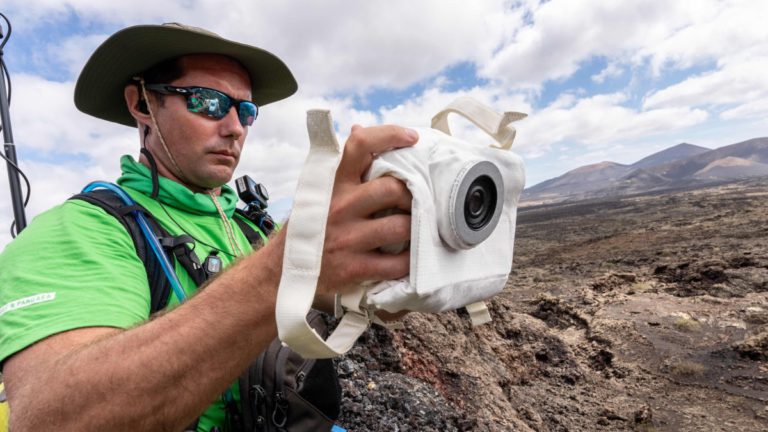
UNITED STATES: In a significant stride towards the upcoming crewed missions to the moon, astronauts have successfully tested a groundbreaking lunar camera designed specifically for the task. Developed jointly by the European Space Agency (ESA) and NASA’s Artemis imagery team, the Handheld Universal Lunar Camera (HULC) underwent rigorous trials in lunar-like terrains on Earth.

Constructed from readily available cameras, the HULC prototype was put through its paces in Lanzarote, Spain, as part of the PANGAEA training program. This initiative is dedicated to preparing astronauts for the unique challenges they will face on lunar missions.

During the tests, an international crew assessed the camera’s performance in simulated lunar environments, ranging from blazing daylight to the pitch-dark expanse of volcanic caves, mirroring the extreme conditions found on the moon.

NASA’s Artemis 3 mission, slated for 2025, aims to mark the first human landing on the moon since 1972. The mission’s objective is to explore the moon’s south pole region, an area known for its perpetually shadowed craters and potential water resources. Documenting these scientific discoveries will be paramount, and the HULC camera is set to play a pivotal role in this endeavour, as stated by ESA officials.

The off-the-shelf cameras used in the HULC were carefully adapted to endure the harsh lunar conditions, including extreme temperature fluctuations, a lack of atmospheric pressure, radiation exposure, and abrasive lunar dust. 

The camera was equipped with a specialized dust and thermal protection blanket, as well as user-friendly buttons designed to accommodate astronauts wearing bulky spacesuits.

Jeremy Myers, NASA’s lead for the HULC camera, emphasized the importance of user-friendliness, saying that the lunar camera will be one of many tools that the astronauts will handle on the moon, hence necessitating a simple handling mechanism.

The PANGAEA training program also served to fine-tune the camera’s settings and lens selection, ensuring optimal resolution, depth of field, and exposure for capturing the most scientifically valuable images.

While the Apollo 11 mission managed to capture iconic images of the moon, the HULC is poised to make history as the first handheld, mirrorless camera to be used in space. The advancements in the Artemis camera promise superior image quality in low-light scenarios and the capability to record video.

Further tests and refinements are on the horizon, with a version of the lunar camera scheduled for deployment to the International Space Station for further orbital experiments. The camera’s interface and housing have already undergone modifications based on testing, with continuous evolution planned in preparation for NASA’s Artemis 3 mission.

Also Read: NASA to Develop a Nuclear-Powered Lander for Titan

Controversy Brews in F1: Disqualifications, Track Limits, and Entry Fees

0

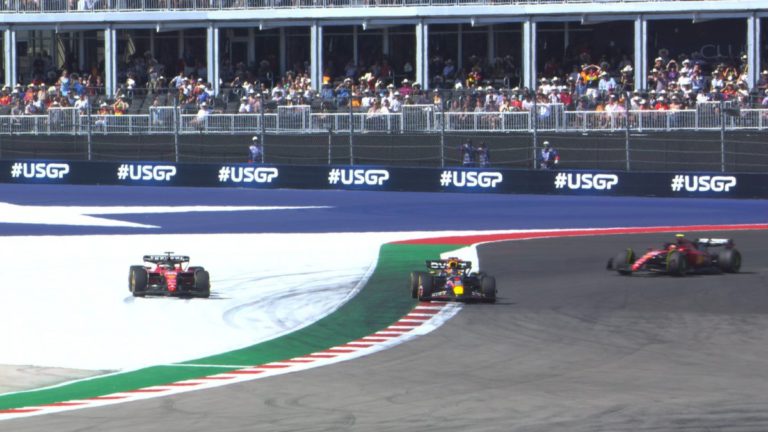
UNITED STATES: Thursday’s F1 news was abuzz with talk of disqualifications stemming from the Austin race as Lewis Hamilton and Charles Leclerc addressed their recent removal from the record. Carlos Sainz’s absence due to illness left room for a plethora of discussions during the press conferences.

Lewis Hamilton, one of the four drivers whose plank and skids were tested after the Austin race, expressed his disappointment in the limited number of cars tested for compliance. He highlighted that the high failure rate among those tested raised concerns about the legality of other drivers’ cars. Hamilton urged F1 to take steps to prevent such controversies in the future.

Other drivers, reflecting on the strict demands of the Circuit of the Americas and the limited number of cars checked for compliance, acknowledged that they might have been in a similar situation as Hamilton and Leclerc if their cars had been tested.

Max Verstappen, who admitted Red Bull may have pushed their car too far in terms of legality, emphasized the challenge of finding the right balance between ride height and downforce.

In light of the passionate support for Red Bull’s Sergio Perez in Mexico, Max Verstappen will be accompanied by bodyguards for security reasons, a decision that goes against his wishes but is seen as a necessary precaution.

Meanwhile, the FIA came under scrutiny for undetected track limit breaches during the US Grand Prix. An incorrectly placed camera at Turn 6 hindered the monitoring of drivers taking liberties with the inside kerb, potentially resulting in fewer penalties than warranted.

F1 also announced the entry fees for teams in 2024, with Red Bull set to pay a substantial amount per point scored in the previous year due to their status as the World Champions. As the F1 season progresses to its end, these developments promise to add a layer of intrigue and anticipation for both drivers and fans alike for the upcoming season.

Also Read: Uncertain Future for Sergio Perez as Ex-F1 Racer Warns of Contract Vulnerability

IBM Unveils WatsonX Code Assistant: Revolutionizing Code Writing with AI-Powered Prompts

0

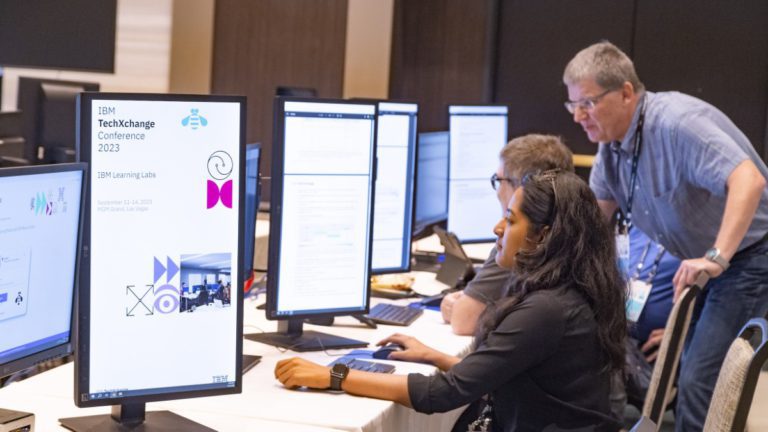
UNITED STATES: IBM has introduced WatsonX Code Assistant, a cutting-edge generative artificial intelligence (genAI) tool designed to revolutionize the way developers write code. According to an official statement released on October 26th, this innovative tool employs language prompts to provide invaluable assistance to developers in their coding endeavours.

This latest offering from IBM boasts two core functions. Firstly, it facilitates IT automation for seamless code deployment, streamlining the development process. Additionally, it addresses mainframe application modernization, including the intricate task of translating COBOL code to the versatile Java language.

In a bold step towards the future, IBM is actively engaged in ongoing research and development efforts to potentially encompass code generation, code explanation, and the entire end-to-end software development lifecycle within the scope of WatsonX Code Assistant.

WatsonX Code Assistant joins the ranks of IBM’s array of WatsonX assistants, including the likes of WatsonX Orchestrate and WatsonX Assistant, reaffirming IBM’s commitment to pushing the boundaries of AI-driven technological solutions.

This venture follows IBM’s initial launch of WatsonX, an AI and data platform dedicated to aiding enterprises in seamlessly integrating cutting-edge technology into their day-to-day operations. With this latest addition, IBM aims to ride the crest of the AI wave, offering developers a powerful ally in their coding endeavours.

Furthermore, IBM has announced a strategic collaboration with Hugging Face, a company valued at an impressive $2 billion last year, to provide access to open-source AI models, further expanding the horizons of AI-driven applications.

Among WatsonX’s impressive suite of features is the Granite series model, a formidable large language model (LLM) engineered to support tasks ranging from summarization and content generation to insight extraction. Leveraging statistical models to analyse data, LLMs master the intricate patterns that underlie words and phrases, setting them apart as pivotal tools in the field of AI-powered language processing.

In another strategic move, IBM revealed plans in August to host Meta’s Llama 2-chat, a 70 billion parameter model, within the Watsonx.AI studio, along with the StarCoder LLM, further bolstering their capabilities in code generation and language processing.

Also Read: Google’s Multi-Billion Dollar Deal with Apple to Secure Default Search Engine Revealed

ITC Ruling Threatens Apple Watch Imports in Patent Dispute with Masimo

0

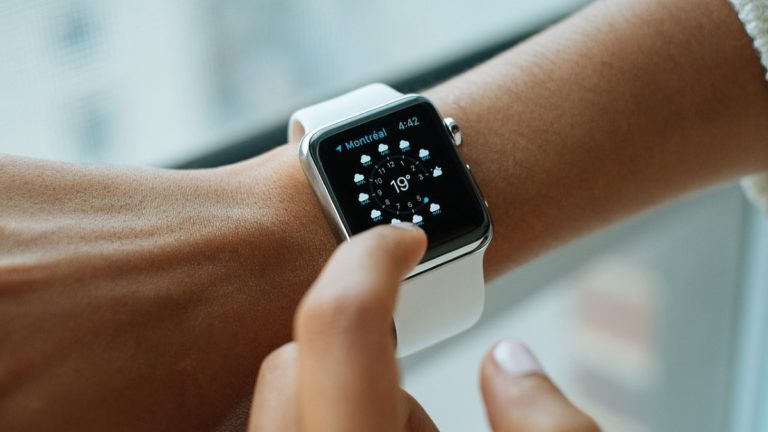
UNITED STATES: In a pivotal decision, the U.S. International Trade Commission (ITC) has ordered a potential ban on the import of Apple Watches due to a violation of medical technology company Masimo’s patent rights. The ruling affirms a judgement from January, asserting that Apple infringed on Masimo’s rights concerning light-based technology for blood oxygen level readings.

However, the ban’s immediate impact is on hold, pending a 60-day review by President Joe Biden’s administration, during which they will assess potential policy concerns. Historically, such bans have rarely been vetoed by sitting presidents.

After this review period, Apple retains the option to appeal the decision to the U.S. Court of Appeals for the Federal Circuit. An Apple spokesperson expressed the company’s stance, stating, “Masimo has wrongly attempted to use the ITC to keep a potentially lifesaving product from millions of U.S. consumers while making way for their watch that copies Apple.” They further emphasized their commitment to pursuing an appeal.

Representatives from Masimo have not yet provided a statement regarding the ITC’s decision. Notably, the ITC ruling does not specify which models of Apple Watches might be affected by the potential ban. Masimo’s initial complaint in 2021 targeted the 2020 Apple Watch Series 6, the first model equipped with blood-oxygen monitoring capabilities.

Masimo alleges that the infringing Apple Watches were manufactured in China, although Apple has since relocated some of its production to Vietnam. This case forms part of a larger global intellectual property dispute between the two companies.

This development comes amidst an ongoing legal battle between Apple and Masimo, with the latter accusing the tech giant of appropriating its technology for integration into various Apple Watch models. A California federal court trial on Masimo’s claims ended in a mistrial in May.

Simultaneously, Apple has filed a patent infringement suit against Masimo in federal court in Delaware, characterizing Masimo’s legal actions as a strategic manoeuvre to pave the way for its competing smartwatch.

The ITC has also previously issued an import ban on Apple Watches in a separate patent dispute with medical technology company AliveCor. However, this ban has been temporarily suspended, pending proceedings to determine the validity of AliveCor’s patents.

According to a recent company report, Apple’s wearables, home, and accessory business, including the Apple Watch and AirPods, generated $8.28 billion in revenue during the third quarter of 2023.

Also Read: Google’s Multi-Billion Dollar Deal with Apple to Secure Default Search Engine Revealed

Moody’s Teams Up with Google Cloud to Revolutionize Financial Analysis with AI

UNITED STATES: Financial services giant Moody’s has joined forces with Google Cloud to pioneer the development of generative AI tools tailored for financial analysis and insights.

This strategic partnership empowers Moody’s to integrate large language models (LLMs) into its suite of financial analytics services, revolutionizing how it interprets raw data. 

Leveraging Google’s powerful serverless data warehouse, BigQuery, Moody’s gains the capacity to efficiently manage vast datasets and extract valuable insights effortlessly.

In tandem with Google, Moody’s is set to engineer cutting-edge LLMs that will empower financial professionals to craft comprehensive reports in significantly less time.

Nick Reed, Chief Product Officer at Moody’s, expressed confidence in the company’s ability to create highly effective LLMs for the financial sector.  

Reed further highlighted the collaborative effort between Moody’s and Google Cloud to expedite the generation of proprietary insights.

According to a recent survey by GlobalData, over 50% of businesses identified AI as the most transformative technology in their sector in the first quarter of 2023, a trend that has persisted since the third quarter of 2021. 

During an executive briefing on AI in the financial sector, GlobalData noted considerable excitement within the industry regarding the potential of generative AI in crafting personalized financial plans and advice.

In spite of this, GlobalData warned that the first uses of generative AI tools will not replace human workers because of strict rules in the financial sector and the fact that AI still has problems with hallucinations.

Looking ahead, GlobalData forecasts the global market for AI consulting and support services to reach an impressive $288 billion by 2030.

Also Read: Google Cloud To Invest $100 Million In Amwell To Transform Virtual Health Care

BMW Unveils Second-Generation X2 Series, Showcasing Electrifying iX2 at Japan Mobility Show

0

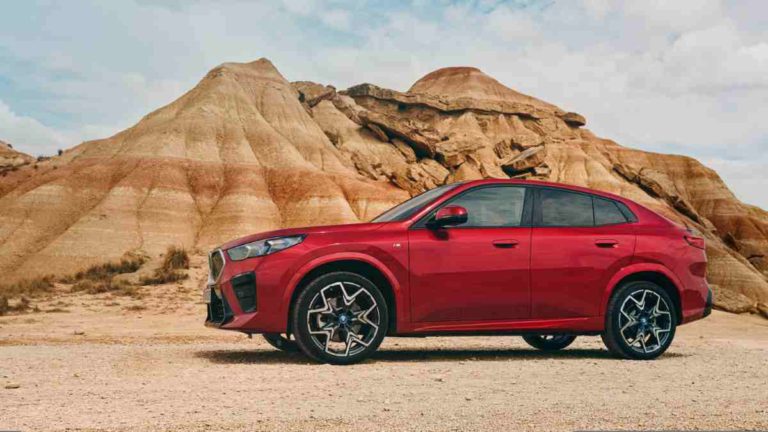
JAPAN: BMW showcased the highly anticipated second-generation X2 series, turning heads with the world premiere of the all-electric iX2. Scheduled for launch in March 2024, this eco-conscious addition signals BMW’s commitment to a sustainable future in the automotive industry.

The foundation of this new Sports Activity Vehicle lies in a revamped platform featuring an extended wheelbase, designed to accommodate gas, diesel, and fully-electric powertrains. Additionally, plans are in motion for a second electric model to join the iX portfolio shortly.

For enthusiasts seeking dynamic performance, the X2 M35i xDrive M Performance model emerges as a beacon of excitement. Sporting a potent 317 horsepower and 295 lb-ft of torque at 2,000 rpm, it channels power through a seven-speed double-clutch gearbox, propelling all four wheels. 

The M35i also boasts an Adaptive M suspension with a 15-mm lower ride height, optional M Compound brakes, and a dual tailpipe exhaust system, achieving a swift 0 to 100 km/h sprint in just 5.4 seconds.

However, stealing the spotlight is the all-new, all-electric BMW iX2 xDrive30. This remarkable vehicle harnesses the power of two electric motors for seamless all-wheel-drive performance, delivering an impressive 313 horsepower and 364 lb-ft of torque from the get-go. 

The iX2 accelerates to 100 km/h in a mere 5.6 seconds, while its driving range, based on WLTP estimates, spans between 417 to 449 kilometres. A groundbreaking Max Range function promises to extend driving distances by up to 25 per cent, showcasing BMW’s dedication to innovation.

Inside the iX2, modernity reigns supreme with BMW’s cutting-edge twin-screen setup featuring a 10.25-inch information display and a 10.7-inch multimedia display, seamlessly integrated under a single, free-standing, curved piece of glass. 

Operating System 9, the latest iteration of BMW’s iDrive system, offers enhanced speed and functionality. Surprisingly spacious, the cabin comfortably accommodates two adults in the back seat, with storage space measuring 525 litres with seats upright and a capacious 1,400 litres with them folded down, albeit slightly less than its gas-powered counterpart.

Also Read: BMW Unveils Exclusive Gran Turismo M Sport Signature Edition in India

Plank Test Controversy Raises Doubts over More Cars’ Disqualification Possibility after US GP

0

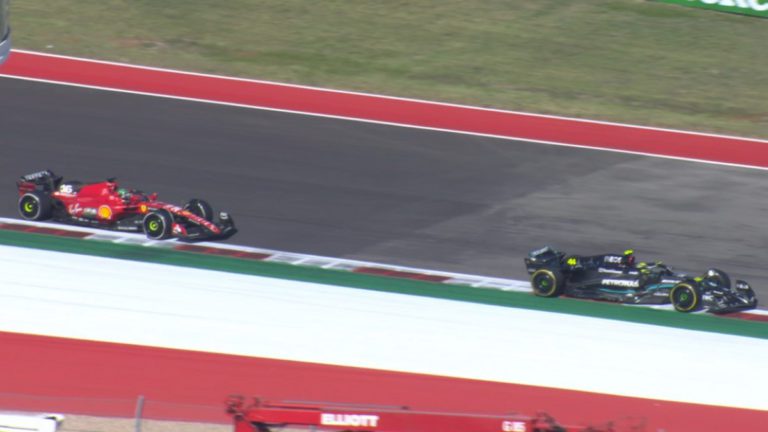
UNITED STATES: After the conclusion of the US Grand Prix at the Circuit of the Americas, a post-race inspection has raised questions about the legality of certain cars, as the FIA stewards conducted their routine underfloor plank tests on one car from each of the top four teams.

The scrutiny revealed excessive wear on the planks of two cars, resulting in Mercedes’ Lewis Hamilton losing his second-place finish and Ferrari’s Charles Leclerc being disqualified from sixth.

Former F1 team manager and journalist Peter Windsor, in his post-race analysis on YouTube, highlighted the significance of the length of the first stints in the race. He posited that the cars’ heavy loads during this phase could have contributed to the elevated wear rates on the planks.

Windsor pointed out that Leclerc and Hamilton both went long in their first stints, with Leclerc completing 23 laps and Hamilton 20 laps, both with a full tank of fuel. He suggested that this extended period of racing under maximum load might have been a factor in the wear and tear observed.

Furthermore, Windsor raised intriguing questions about Red Bull’s strategy, noting their early pit stops for Verstappen and Perez. He speculated whether Red Bull’s decision was based on prior knowledge of potential plank wear issues, seeking to minimize damage during a critical phase of the race.

With half of the cars subjected to the plank test failing, Windsor pondered whether a broader sample might have yielded more disqualifications. He expressed curiosity about how other cars that ran long first stints might have fared in the test.

Windsor also brought up the possibility that Mercedes’ impressive pace throughout the weekend, particularly in the closing stages of the race, may have been influenced by running at a lower ride height for enhanced ground-effect downforce.

The controversy surrounding the plank tests after the US Grand Prix has ignited discussions within the F1 community, prompting reflections on the impact of race strategy and technical compliance on the final results.

Also Read: Uncertain Future for Sergio Perez as Ex-F1 Racer Warns of Contract Vulnerability

Spacewalk Reveals Ammonia ‘Blob’ as Cosmonauts Tackle ISS Coolant Leak

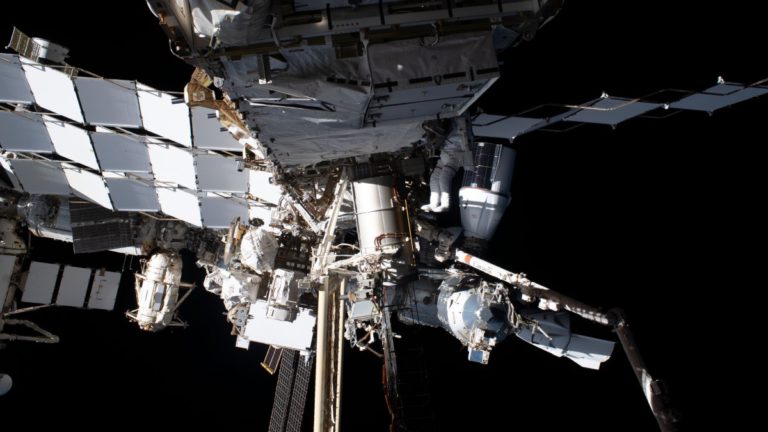
UNITED STATES: In a daring spacewalk on Wednesday, October 25, two cosmonauts aboard the International Space Station (ISS) confronted a coolant leak that had been detected emanating from an external radiator earlier in the month. Oleg Kononenko, near the growing “blob” of pooling ammonia, had one of his tethers contaminated, prompting it to be secured in a bag and left outside the station.

Initiating the extravehicular activity (EVA) at 1:49 p.m. EDT, Kononenko and his fellow Expedition 70 spacewalker, Nikolai Chub, both of the Russian federal space corporation Roscosmos, began by isolating and photographing the radiator. 

The radiator, a backup to the main body’s temperature regulator inside Russia’s Nauka multipurpose laboratory module, was observed leaking coolant on October 9. They meticulously configured valves to cut off the radiator from its ammonia supply.

Upon completion of this task, Kononenko reported observing numerous small holes in the radiator’s panels. “The holes have very even edges, like they’ve been drilled through,” he radioed to Moscow Mission Control. “There are lots of them. They are spread chaotically.”

The formation of the “blob” was attributed to residual ammonia that was disturbed during valve closure. The cosmonauts were prepared for this eventuality, equipped with tissues and cloths to ensure they did not carry any of the toxic material back into the space station.

Data collected during the spacewalk will be invaluable for Russian engineers on the ground, aiding in identifying the cause of the leak and devising steps for future radiator use.

In addition to the radiator inspection, Kononenko and Chub also installed a synthetic radar communications system and deployed a nanosatellite to test solar sail technology. The radar, a vital tool for Earth’s environmental monitoring, was the first science payload attached to Nauka’s exterior. 

The nanosatellite, designed by the Bauman Moscow State Technical University, aimed to test experimental solar sail deployment. Despite some coaxing, the solar wings did not extend as planned.

The EVA concluded after 7 hours and 41 minutes, with the hatch to the Poisk module airlock sealed at 9:30 p.m. EDT. This marked the 268th spacewalk in support of ISS assembly, maintenance, and upgrades. It was Chub’s inaugural spacewalk and Kononenko’s sixth, bringing his total spacewalk time to an impressive 41 hours and 43 minutes.

Also Read: NASA to Develop a Nuclear-Powered Lander for Titan

Microsoft’s AI Investment Propels Cloud Business, Leaving Alphabet in the Dust

0

UNITED STATES: In the September quarter, Alphabet, the parent company of Google, witnessed a setback in its cloud business while long-time rival Microsoft soared, showcasing the success of the Windows giant’s investment in artificial intelligence.

Alphabet’s shares plummeted by 7% in after-hours trading on Tuesday, in stark contrast to Microsoft’s impressive 5% rise.

Despite exceeding Wall Street estimates for overall profit and sales, Alphabet’s dip in shares reveals investor eagerness for gains in artificial intelligence and fierce competition against Microsoft’s Azure and Amazon.com’s AWS cloud services.

Microsoft’s strategic partnership with startup OpenAI, the creator of the popular generative AI chatbot ChatGPT, has positioned it as a frontrunner in the AI race. OpenAI’s technology has been seamlessly integrated across Microsoft’s product suite, from Bing to Microsoft 365 and Github.

While Alphabet has also embedded AI in numerous products, including its flagship Pixel phones, its recent venture into generative AI for its search engine faces stiff competition from ChatGPT.

During a conference call with analysts, Microsoft’s Chief Financial Officer, Amy Hood, credited higher-than-expected AI consumption for a significant 3% boost in its cloud business.

The divergent strategies of the two tech giants are evident in their results. Alphabet has focused on acquiring AI startups for its cloud division, while Microsoft leverages existing relationships to secure larger customers.

In terms of revenue, Microsoft’s Intelligent Cloud unit, home to Azure, reached $24.3 billion, surpassing analysts’ estimates. Azure’s revenue surged by 29%, outstripping market projections. RBC Capital Markets predicts that Microsoft will generate over $3 billion from generative AI offerings this fiscal year.

On the flip side, Google’s cloud business reported a 22.5% revenue increase, reaching $8.41 billion, the slowest growth in over 11 quarters and falling short of the Wall Street estimate of $8.62 billion.

As Microsoft pledges to aggressively invest in AI to meet demand, their capital expenditures have risen significantly. The company’s capex for the fiscal first quarter reached $11.2 billion, setting the stage for an annual expenditure exceeding $44 billion.

Global X analyst Tejas Dessai described Microsoft’s growth as “phenomenal” against a backdrop of economic uncertainty, highlighting the pivotal role of AI-as-a-service in Azure’s reinvigorated success.

Also Read: Microsoft’s Executive Compensation Takes a Hit as Company Misses Financial Targets